| Budo |
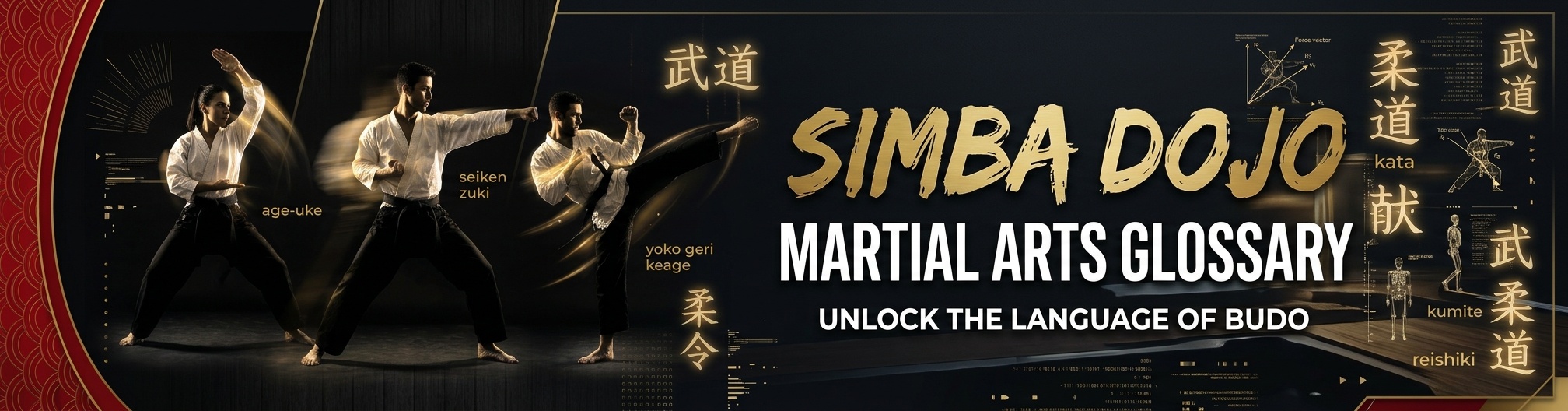
Budo (武道), translated as "The Martial Way" or "The Way of Martial Arts," is the overarching philosophy and spiritual path governing traditional Japanese martial arts. Far beyond mere physical combat or self-defense tactics, Budo represents a lifelong discipline of ethical conduct, mental refinement, character development, and spiritual growth achieved through rigorous physical practice.
Etymology & Structural Breakdown
-
Bu (武): "Martial," "military," or "warrior." Etymologically, the Kanji combines radical elements representing a weapon/spear (hoko) and to stop/cease (tomeru). Thus, at its deepest level, Bu carries the philosophical meaning of "stopping conflict" or bringing peace.
-
Do (道): "Way," "path," or "philosophical journey" (derived from the Chinese concept of Tao).
-
Literal & Philosophical Meaning: The path of stopping violence—a self-transformative journey through martial discipline.
Historical Evolution: From Bujutsu to Budo
To understand Budo, it is essential to recognize its historical transformation in Japanese culture:
-
Bujutsu (武術 — Martial Techniques): The battlefield-tested combat systems practiced by the Samurai during feudal Japan, focused strictly on martial effectiveness, survival, and neutralizing enemies.
-
Budo (武道 — The Martial Way): As Japan entered periods of lasting peace (specifically the Meiji Restoration and early 20th century), traditional combat systems evolved into modern Budo arts—such as Karate-do, Judo, Kendo, Aikido, and Kyudo. The primary goal shifted from defeating external enemies to mastering the self (katsujin-ken — "the life-giving sword").
Core Principles & Philosophical Pillars
-
Character & Spiritual Refinement (Shin-Gi-Tai): True Budo requires the total integration of Shin (Mind/Spirit), Gi (Technique/Skill), and Tai (Body/Physical Form). Training the body without refining the mind creates an ungrounded combatant, while moral intent without technical competence remains ineffective.
-
Etiquette & Respect (Reigi / Rei): As Master Gichin Funakoshi famously stated, "Karate begins and ends with respect" (Karate wa rei ni hajimari, rei ni owaru). Mutual respect, humility, and formal dojo decorum are indispensable safeguards that prevent martial power from corrupting into arrogance.
-
Continuous Self-Improvement (Kaizen): A practitioner of Budo views martial arts not as a temporary endeavor or sport with an endpoint, but as an endless lifelong study (keiko) of physical precision and inner clarity.
-
Presence of Mind (Mindset Concepts):
-
Zanshin (残心): Lingering awareness and relaxed vigilance before, during, and after a technique.
-
Fudoshin (不動心): The "immovable mind"—emotional composure and unshakeable calmness in the face of chaos or danger.
-
Shoshin (初心): The "beginner's mind"—approaching every practice with openness, eagerness, and lack of bias.
Function & Value in Modern Practice
In modern Karate-do, Budo serves as the moral compass guiding how techniques (kihon, kata, and kumite) are applied. It teaches practitioners to control aggression, cultivate resilience (osu / oss), act with integrity in daily life, and utilize martial skills solely for protection, justice, and personal refinement.
See also blog article:
Author - Sensei Miller
Hits - 13
Synonyms:
Bujutsu (武術), Bugei (武芸), Budō-ka (武道家)
|