

Kihon: The Unshakable Foundation of Traditional Karate
In the pursuit of martial arts mastery, practitioners are often captivated by high-flying kicks, complex forms (Kata), and dynamic sparring (Kumite). Yet, beneath every devastating technique and flawless form lies a single, indispensable pillar: Kihon (基本).
Translated literally as "foundation" or "basics," Kihon is the systematic practice of fundamental martial techniques. Far from being a stage that beginners simply pass through, Kihon is a lifelong discipline that even high-ranking masters refine daily to maintain clarity, power, and technical precision.
1. Etymology and Core Philosophy
The word Kihon is composed of two Japanese kanji:
-
Ki (基): Foundation, base, or origin.
-
Hon (本): Origin, root, or book.
Together, the term signifies the root foundation upon which everything else is constructed.
In classical Budo, Kihon embodies the physical manifestation of Shoshin (初心)—the "beginner's mind." No matter how many decades a martial artist trains, approaching Kihon with total focus ensures that techniques do not degrade into sloppy, inefficient habits over time.
"Kihon is not just training for beginners; it is the master key that unlocks advanced performance under pressure."
2. The Mechanics of Kihon: The Four Pillars
Kihon training breaks down Karate into its most essential mechanical components. During line drills (Kihon-ido), practitioners repeatedly execute techniques back and forth across the dojo floor, focusing on four primary elements:
1. Stance and Alignment (Dachi)
Power originates from the ground. Kihon conditions the body to drop into deep, stable stances—such as Zenkutsu-dachi (front stance), Kokutsu-dachi (back stance), and Kiba-dachi (horse stance)—ensuring proper structural alignment and weight distribution.
2. Hip Rotation and Drive (Koshi)
Traditional Karate derives its explosive power from the hips. Kihon teaches how to snap the hips into rotation (Kohan) or drive them forward (Gyakuhan) to transmit rotational force through the torso into the striking surface.
3. Focus and Impact (Kime)
Kime (極め) refers to the brief contraction of muscles at the exact instant of impact, followed immediately by relaxation. Kihon conditions the body to execute this rapid transition from relaxed fluidity to solid structural resistance without wasting energy.
4. Breathing and Timing
Kihon coordinates breath with action—exhaling sharply on execution and inhaling on recovery or transition—ensuring maximum core engagement and stamina.
3. The Triad of Karate: Kihon, Kata, and Kumite
In traditional Karate-do, training is built upon a balanced triad. Kihon serves as the essential bedrock supporting the other two pillars:
-
Kihon (Basics): Isolates individual tools (punches, blocks, strikes, kicks) to perfect mechanics, balance, and kinetic linkage.
-
Kata (Forms): Combines Kihon techniques into structured sequences against imaginary opponents, teaching rhythm, angles, and combat applications (Bunkai).
-
Kumite (Sparring): Applies Kihon mechanics dynamically against an unpredictable, uncooperative partner, testing distance management (Maai) and timing (Deai).
Without strong Kihon, Kata becomes mere choreography and Kumite devolves into wild, ineffective brawling.
4. Key Exercises in Kihon Practice
Standard Kihon routines systematically exercise the body’s full offensive and defensive toolkit:
-
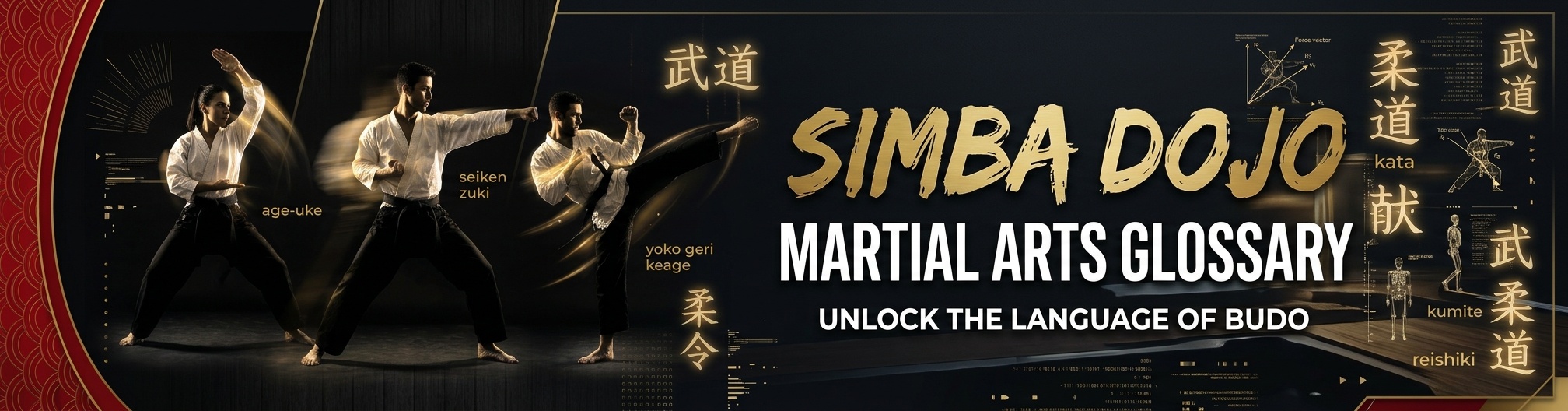
Tsuki Waza (Punching Techniques): Direct strikes such as Seiken Chudan Tsuki (middle punch) and Oi-tsuki (stepping lunge punch).
-
Uke Waza (Blocking Techniques): Deflections and hard blocks such as Age-uke (rising block), Soto-uke (outside block), Uchi-uke (inside block), and Gedan-barai (downward sweep block).
-
Geri Waza (Kicking Techniques): Basic foot strikes including Mae-geri (front snap kick), Yoko-geri (side kick), and Mawashi-geri (roundhouse kick).
-
Dachi Waza (Stance Work): Transitioning between static and moving bases while maintaining a level center of gravity.
Conclusion: The Path Back to the Root
As martial artists advance in rank, the temptation to search for "advanced secrets" often grows. However, the true secret of high-level Karate is simply Kihon executed at an exceptionally high level.
By returning to basic stances, blocks, and strikes with renewed mindfulness, practitioners ensure that their movement remains efficient, powerful, and rooted in the authentic tradition of Budo.